Wellington, Aotearoa
Matthew Paterson
Photography, design, code and digital marketing.
Four practices.
01 Photography Documentary, architectural and event work. Commercially since 2006.
- Studied
- Bachelor of Fine Arts at the University of Canterbury, majoring in documentary photography under Glenn Busch: sociological documentary, made within the ongoing project A Place in Time.
- Made
- Documentary series as books and exhibitions. Smoke Signals on the Christchurch boy-racer scene; Lighting the Trails, begun in 2017 and paused for now.
- Taught
- Six years lecturing at Victoria University of Wellington: course design, assessment, and running critique.
- Commercially
- Working since 2006. Architectural documentation for practices, in progress and on completion; events from gallery openings, weddings and gigs to corporate and government functions, Prime Ministers included.
- Capture
- Digital and film, studio and location lighting, low-light and night work, and drone.
- Tools
- The full chain from analogue to archive: darkroom and alternate processes, Adobe post-production, print and bookmaking, exhibition installation, and colour management with profiled cameras, calibrated screens and custom print profiles. A technician year at Massey University (2015) ran all of it at department scale.
02 Design Composition and visual language, applied to screens.
- Studied
- Master of Design, Victoria University of Wellington (2011–2013). The thesis, Gaming and Photography: Investigating the Elision of Illusion and the Actual, approached video games as a photographer rather than a player, testing through surveys and an exhibition how audiences decide whether an image is real.
- Named
- Train Effect comes from that study: in 1896 a train arrived on a screen and the audience panicked.
- Applied
- Brief to layout to production build. The design decision record habit comes from here: a choice should hold up, whether the reason is visual, functional or commercial.
- Systematised
- Train Effect Designer: a design system in a repository, driving real client work like euroclash.nz and valleybrewer.nz (both volunteer) to a written standard.
03 Code Front end through to data.
- Professionally
- Nearly nine years at Mercury IT building custom websites, from junior developer to leading the front-end team: front end, plus the databases, CRM systems and platform integrations behind them.
- Built solo
- OpenBrew: around 85k lines of strict TypeScript on Next.js and Postgres, multi-tenant, 960+ tests.
- For community
- Valley Brewer: the club’s member platform, rebuilt from custom WordPress to Astro on Supabase and Cloudflare Workers, with BeerXML recipe import. Now working with the club’s founder on its Android app.
- Applied AI
- Agent harnesses and structured knowledge systems as working tools, not demos: OpenBrew’s scoresheet OCR and the Train Effect Designer design system.
- Hands-on
- PHP, SQL, HTML, CSS and JavaScript, written daily for years, with WordPress, Squiz, and the databases, CRM and business systems built around them.
- With AI
- TypeScript, Next.js, Astro, React, Supabase, Cloudflare Workers: understood through the languages underneath and built with AI doing most of the typing; specified, reviewed and debugged rather than hand-written.
04 Digital marketing Search, campaigns, analytics, and the connections between them.
- Delivered
- SEO and SEM strategy and execution across a client portfolio, trained through T-Shaped Marketing’s SEO course and more than a year of one-on-one mentoring with its founder against real client work.
- Measured
- Google stack end to end: Search Console, Analytics, Tag Manager, Ads, Looker Studio dashboards.
- Emailed
- Campaigns end to end across Zoho Campaigns, Mailchimp and Campaign Monitor: list migration and data handling, design, content, and reporting.
- Integrated
- The developer’s edge: connecting websites, CRM, campaigns, analytics and events into one system rather than six. Deep practice across Zoho CRM Plus and its apps (campaigns, surveys, analytics, live chat, event management), and the integrations between platforms that make the data flow.
Recent work
-
A hosted platform covering all ten phases of running a homebrew competition, multi-tenant from day one. The two hardest parts of a real competition get the most attention: a palette-aware auto-assign plus drag-and-drop judging-table engine, and an optional Claude-vision OCR flow that pre-fills scoresheet totals.
- Next.js
- TypeScript
- Postgres
- Prisma
- Vitest
-
Brewing community
-
Valley Brewer
The club's member platform. Two years as a custom WordPress build, then rebuilt as a hybrid Astro application on Supabase and Cloudflare Workers. Members sign in, draft or BeerXML-import recipes, and an editor review queue gates publishing; approved work writes back into the club's git knowledge base, which regenerates the site. Fermentation telemetry charted on logged brews, run in production for real members.
- Astro
- TypeScript
- Supabase
- Cloudflare Workers
- BeerXML
-
Euroclash
An annual European-styles homebrew competition run by and for the Greater Wellington homebrew community. Each year a handful of European brewing nations are chosen, two BJCP styles per country, with a re-judged Best of Show crowning a Grand Champion. I help run the competition and built the site; from 2027 entries run on OpenBrew.
- Astro
- Markdown
- Cloudflare Pages
-
Train Effect Brews
A journal and archive of the brewing my dad and I do together: every batch, recipe and barrel documented and cross-linked. Entries validate against shared data formats and schemas, so the archive is generated from one source rather than hand-maintained, with an AI brew assistant reading the same data.
- Astro
- Markdown
- Cloudflare Pages
-
-
Train Effect Designer
A design system in a repository, built so AI-assisted work holds a designer's standard: codified design judgement, a set of agents that run a project from audit through brief, direction and design decision record, and a review pass against the standards. Every decision is written down before it is built. It drove the euroclash.nz rebuild and the valleybrewer.nz build after it.
- Claude Code
- Astro
- Design systems
Private -
A web app teaching children aged 7 and up how to think about what they know: claims, sources, confidence, and how to find out more. Scripted deterministic dialogue authored in Ink, delivered as modular content packs; eight episodes in five packs at launch. No ads, no accounts, nothing collected.
- Svelte
- inkjs
- Vite
- Cloudflare Pages
-
Lighting the Trails
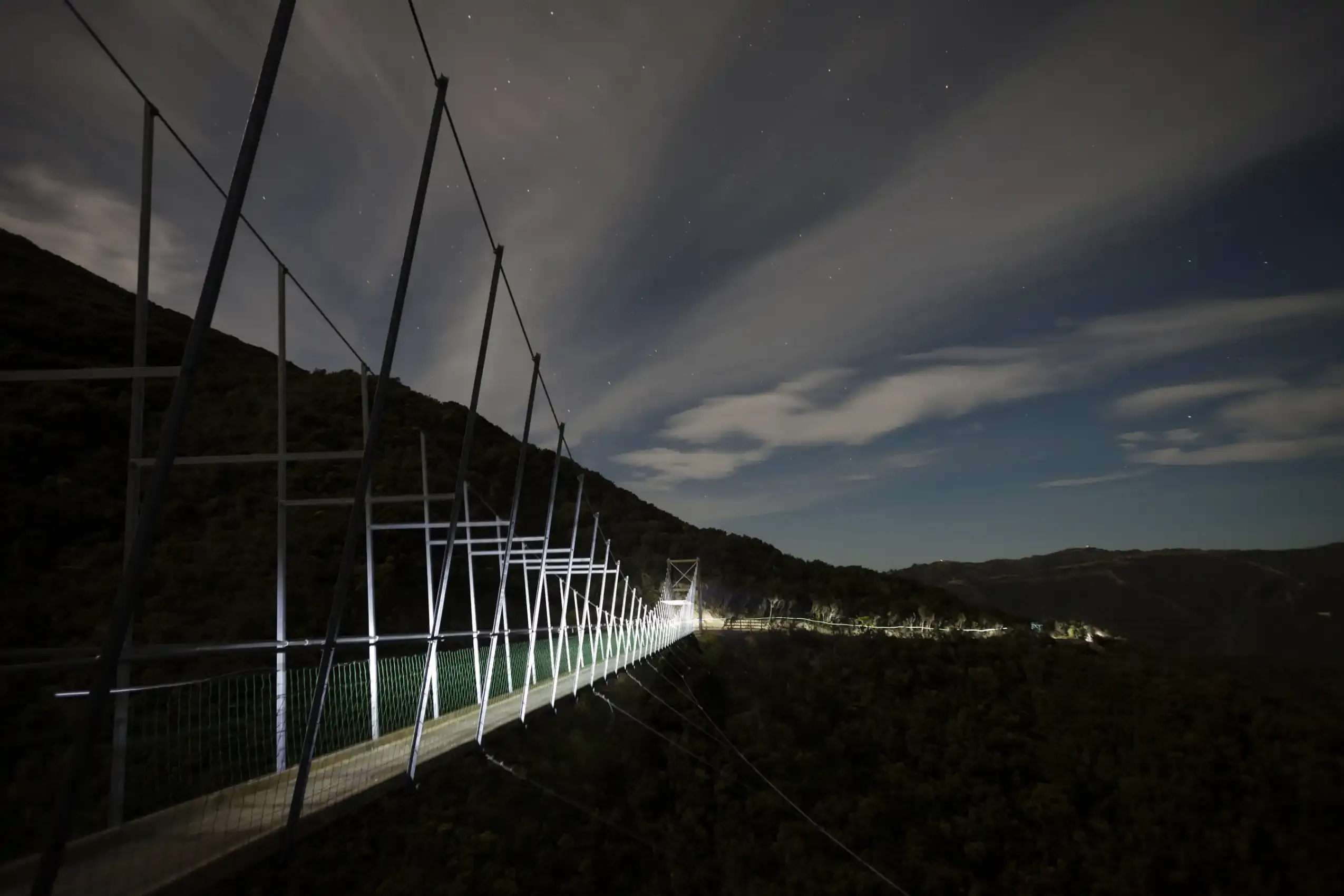
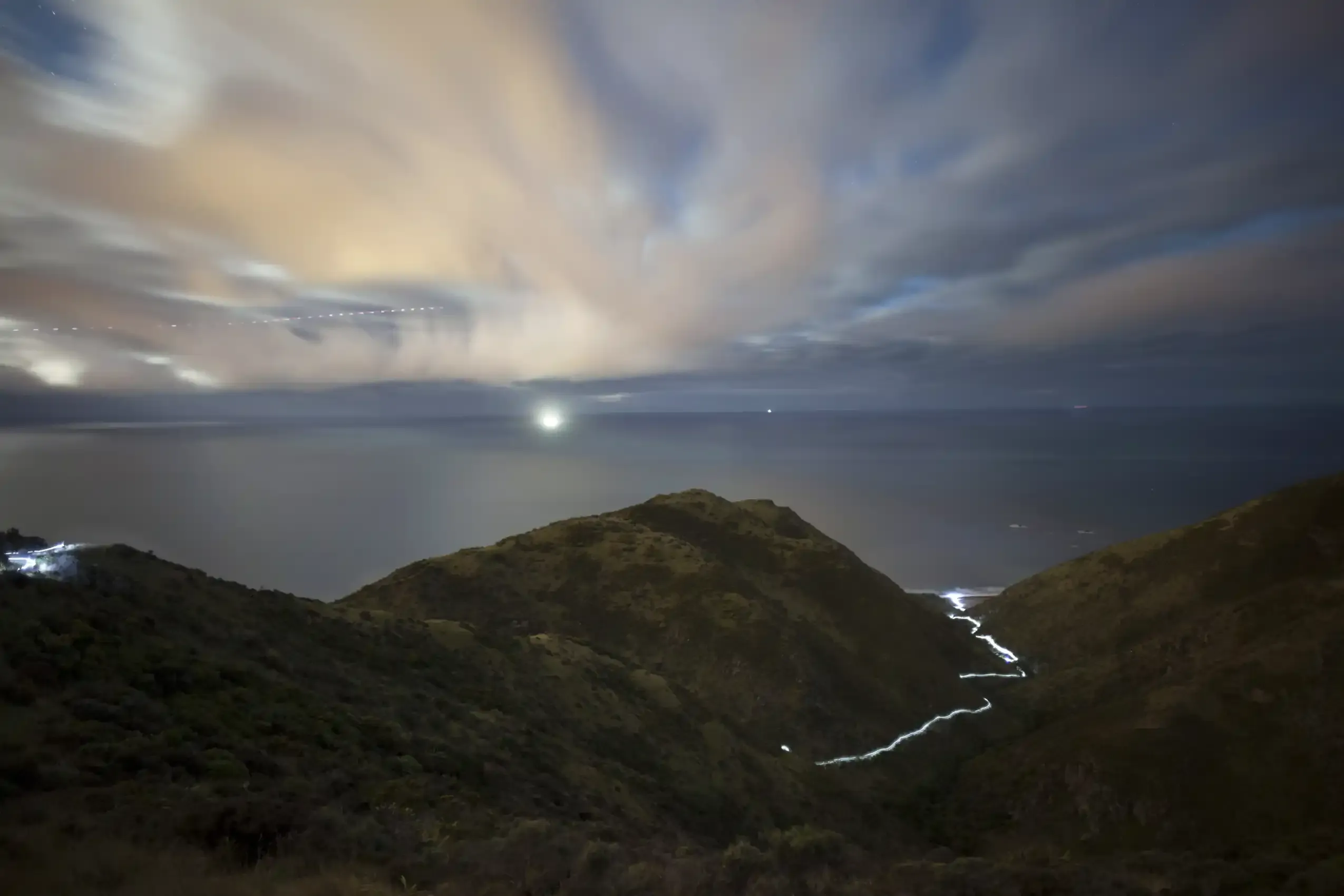
A documentary project photographing Wellington bike trails at night. A custom Arduino rig reads the rider's movement and drives the bike lights, rendering trails usually experienced in motion as still, considered images. Begun in 2017, paused for now.
- Photography
- Arduino
- Electronics
Writing
Audiences have had to learn to read each new kind of image, from the painted buckler to the game render. An essay on what changes when the image is generated, and why the question moves from how it was made to where it came from.
Say hello.
Open to work. I read everything; I reply to most of it.
matt@matthewpaterson.co.nz